Back after a long gap
Years away from structured training, a body that remembers less than it used to, and no interest in being thrown into a class on day one. We rebuild tolerance before intensity.
Trainyourbestself is a small coaching consultancy in Outram. We spend the first ninety minutes listening and assessing before anyone writes a programme, and we keep changing that programme as your weeks change.
315 Outram Road · Mon–Fri 06:30–20:30 · +65 6276 3914
Consultation
Years away from structured training, a body that remembers less than it used to, and no interest in being thrown into a class on day one. We rebuild tolerance before intensity.
Four or five sessions a week and no change in strength numbers for months. Usually the programme is fine and the recovery, scheduling or loading is not.
Training that has to survive late meetings and hotel gyms. We design for the weeks you actually have.
Consultation
Ninety minutes, one room, no sales pitch.
We begin with the history that actually matters: what you have trained, what you dropped, and which joints or tendons have a story. Old physiotherapy notes are useful if you have them. We are not collecting a medical file. We are trying not to repeat a plan that already failed.
The conversation then turns to the week around the training. Sleep, the shape of the working day, travel, and how you eat in ordinary, non-clinical terms. A programme that ignores those facts is a programme you will abandon in week three.
We then look at how you move. A squat, a hip hinge, a press, a pull, a short walk, and balance on one leg tell us more than a questionnaire. We watch tempo, range, and where you hesitate, not whether the shape looks athletic.
Strength and endurance tests come after that, and only in a form that fits the person in the room. Someone returning from a long gap is not asked for a five-repetition max. Someone who already trains hard is not given a beginner circuit for the sake of a ritual.
You leave with a written note: what we saw, what we would change first, and two or three ways to continue. You can take that note away and decide later. Nothing is sold in the last ten minutes.
Programmes
Four ways we usually continue.
Sixty minutes in the studio, weekly or fortnightly. Load, tempo and the next session are written down before you leave, so the work between visits is not guesswork.
S$120 per session · 60 minutes · indicative
A four-week plan with adjustments as the month unfolds, plus a short video review of up to three lifts. Suited to people who already have a place to train and want the writing done carefully.
S$220 per month · indicative
For people who have finished, or are still in, a physiotherapy block. We stay inside the limits your physiotherapist has set and write to them if you ask us to.
S$130 per session · 60 minutes · indicative
Two people with comparable training history, one hour, one plan with individual loads. Useful for partners or colleagues who already keep similar hours.
S$170 for two · 60 minutes · indicative
Review
A quiet first block, then a decision.
Low volume, high attention. We find out how you recover rather than how much you can lift. Sessions stay short enough that you can repeat them on an ordinary week, including the ones with late meetings.
The session plan settles. We add load in small, boring increments and record what actually got done. Missed work is written down as missed work, not rewritten as a moral failure.
We sit down with the notes, compare them with the first assessment, and decide what to keep, drop or rewrite. Some people continue. Some change format. Some stop, which is a valid outcome of the review.
Studio
One room on the ninth floor.
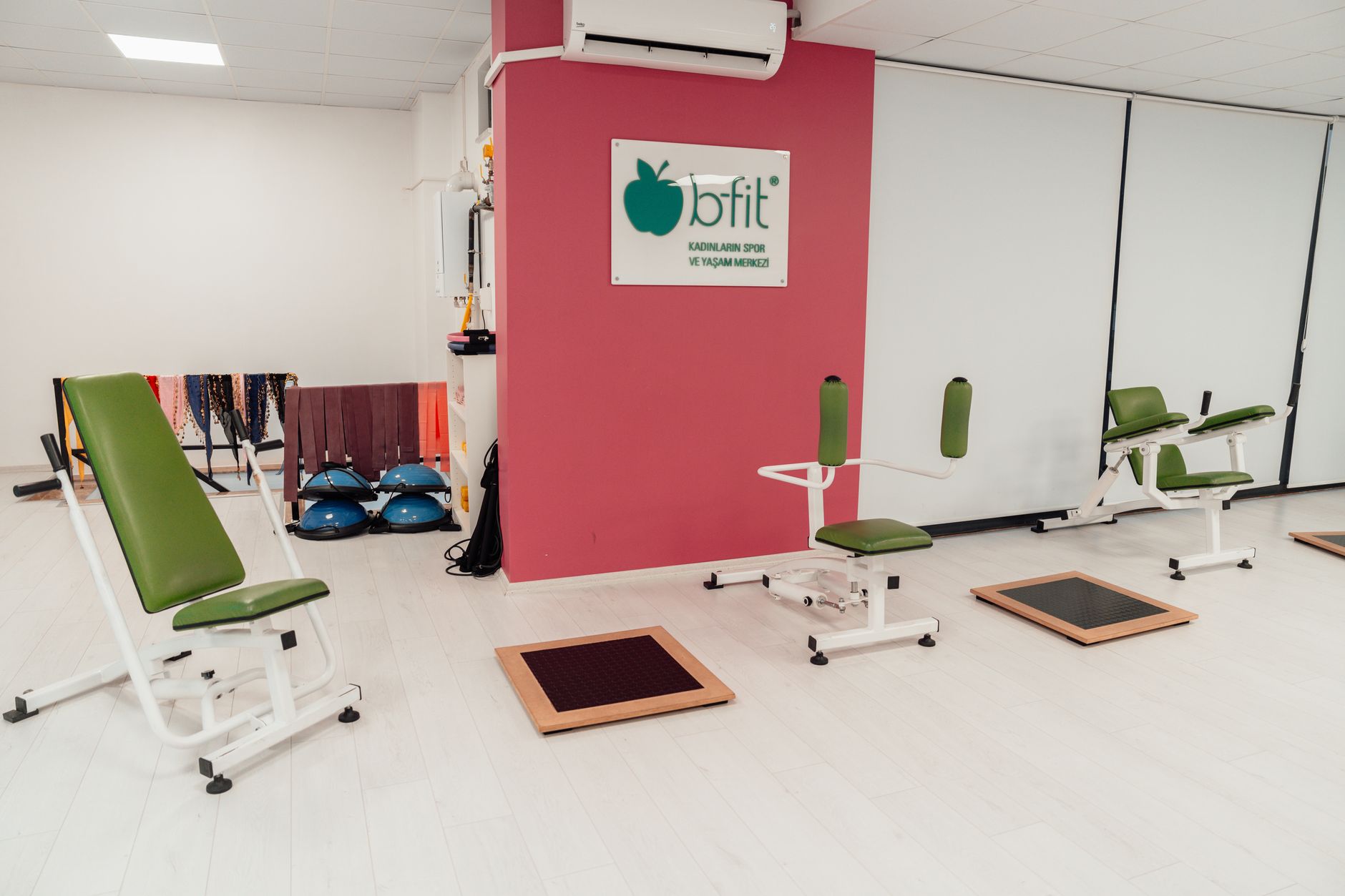
We work from a single hall on the ninth floor of Tan Boon Liat Building. There are two squat stands, lifting platforms, dumbbells up to 40 kg, a treadmill, a rowing machine, and a clear floor for work on mats. The room is set up for coaching, not for a packed class timetable.
No more than three people train at once. Sessions are spaced so one group is not walking in while another is still under the bar. There is a shower and lockers on the same floor.
Outram Park MRT is about five minutes on foot, with East–West, North–East and Thomson–East Coast lines. Paid parking is available in the building if you arrive by car. Lift access runs to the ninth floor.
Questions
The first three we hear most.
Do I have to commit to a package?
No. The only required booking is the first assessment. After that you choose a format, a single session, or nothing. We do not sell memberships and we do not start an automatic renewal.
I have had a knee problem for two years. Can you still work with me?
Often, yes, inside clear limits. If a doctor or physiotherapist has named movements to avoid, we follow that list. If pain is sharp, new, or travelling with numbness, we pause and ask you to speak to them first. We do not diagnose the knee in the studio.
Will you tell me what to eat?
We talk about meal timing around sessions and whether you are eating enough to recover, in household language. We do not write meal plans, prescribe supplements, or treat food as a clinical tool. If you already work with a dietitian, we stay in our lane.
The ninety-minute consultation is a complete piece of work on its own. You keep the written note whether or not you book another session. There is no package waiting at the end of the hour, and no pressure to decide in the room.